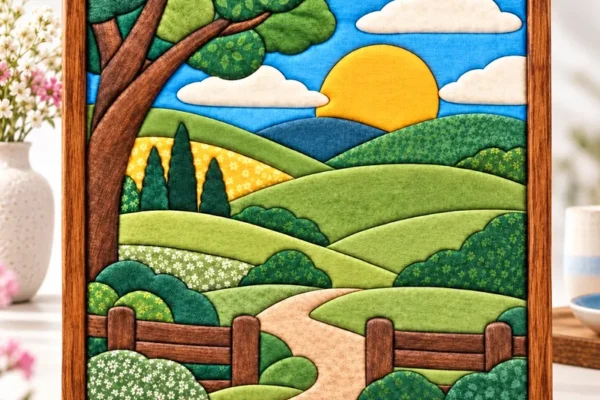
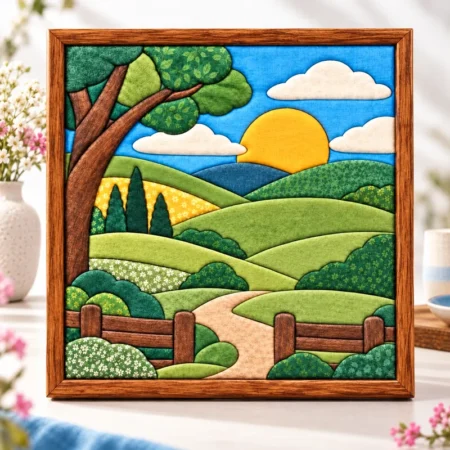
The fabric you choose makes or breaks a kinusaiga picture. Because the art relies on tucking edges into grooves, the ideal textile is fine, lightly textured and holds a crease. Here is how to pick the best fabrics for kinusaiga and prepare them for clean, luminous results.
The 3 best fabrics for kinusaiga
Vintage Kimono Silk
Traditional kinusaiga was born from upcycled kimono silk, and it is still the gold standard. Silk takes dye beautifully, reflects light with a soft sheen, and tucks into grooves without fraying heavily. Vintage kimono scraps also honor the craft’s mottainai (waste-nothing) roots.
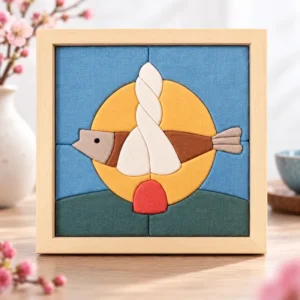
Chirimen Crepe
Chirimen is a Japanese crepe silk with a subtle pebbled texture. Its slight stretch grips the foam channels securely, making it forgiving for beginners and ideal for petals, skies and water where gentle texture adds depth.
Fine Quilting Cotton
If silk is hard to source, fine 100% cotton is an excellent, affordable alternative. Choose tightly woven quilting cotton in solid colors; it presses crisply and holds its tucked edge. Avoid thick or stretchy knits, which spring back out of the grooves.
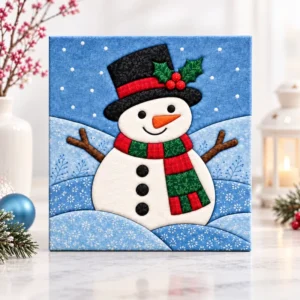
What to Look For
- Weight: light to medium. Heavy fabric will not tuck cleanly into a 2–3mm groove.
- Weave: tight and woven (not knit) so edges stay put and don’t unravel.
- Finish: a subtle sheen or texture reads as “fabric mosaic”; very shiny synthetics can look flat.
- Color: build a small palette of solids first; prints can fight the numbered color blocks.
In short, the best fabrics for kinusaiga are thin, tightly woven and easy to crease. Test any kinusaiga fabric by folding a corner: if the fold holds, it will hold in a groove.
How Grain Affects the Finish
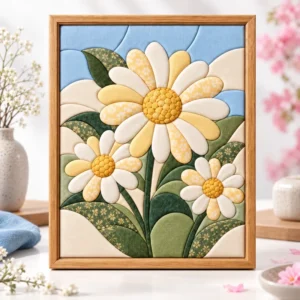
Every kinusaiga pattern marks grain direction for a reason: silk and satin reflect light differently along the warp and weft. Cutting pieces with the grain the pattern specifies gives skies, petals and landscapes a realistic, shifting shimmer.
Where to Source Scraps
Look to vintage kimono resale shops, remnant bins at fabric stores, quilting fat-quarter bundles, and your own worn silk garments. You need only small scraps, so a little goes a long way across many patterns. Remnant bins are often the cheapest kinusaiga fabric you will find.
Prepping Your Fabric
Press each piece of kinusaiga fabric flat before cutting, and cut with a sharp fabric scissor following the tuck-allowance line. A crisp, wrinkle-free edge slides into the groove far more easily than a frayed one.
With your fabrics ready, pick a design from our kinusaiga pattern collection, or read What is Kinusaiga? to see the full technique from start to finish.
Best Fabrics for Kinusaiga Compared
This table compares the best fabrics for kinusaiga side by side.
| Fabric | Ease of tucking | Look | Cost | Best for |
|---|---|---|---|---|
| Kimono silk | Good | Soft sheen, traditional | Medium to high | Skies, water, flowers |
| Chirimen crepe | Very good (grips the groove) | Matte, pebbled texture | Medium | Petals, details |
| Quilting cotton | Very good | Crisp, endless prints | Low | Beginners, any design |
| Old shirts and dresses | Good if thin and woven | Personal, memory pieces | Free | Gifts and keepsakes |
| Knits, felt, thick wool | Poor | Bulky | Varies | Avoid for small pieces |
Can You Use Old Clothes for Kinusaiga?
Yes, and old clothes are a free source of fabric for kinusaiga. It is also one of the nicest ways to make a keepsake. Thin woven shirts, blouses and summer dresses work well. Cut away seams and buttons, wash and press the fabric, and check that it does not stretch when you pull it on the diagonal. A baby’s outgrown dress tucked into a meadow bunny or little fox pattern makes a lovely nursery picture.
On this page
Want to learn more about the traditional textiles? Wikipedia has good background on chirimen crepe and the kimono fabrics that kinusaiga grew from. For patterns that show off silk and crepe, try the peony kinusaiga pattern or the ocean wave.
How Much Fabric Do You Need for Kinusaiga?
Much less than for sewing. Each piece only needs to cover its shape plus a small tuck allowance on every side, so a whole picture often fits on a handful of scraps. As a rule of thumb, a fat quarter of quilting cotton (about 18 × 22 in / 46 × 56 cm) will cover the background of a medium panel with plenty left over, and the smaller details can come from scraps no bigger than your palm. Buy or save a few light, medium and dark versions of each main color: having choices makes shading skies, water and petals far easier than one perfect match.
Keep your scraps sorted by color in clear bags. When you start a new pattern, lay the color key next to the bags and pick a fabric for each number before you cut anything.